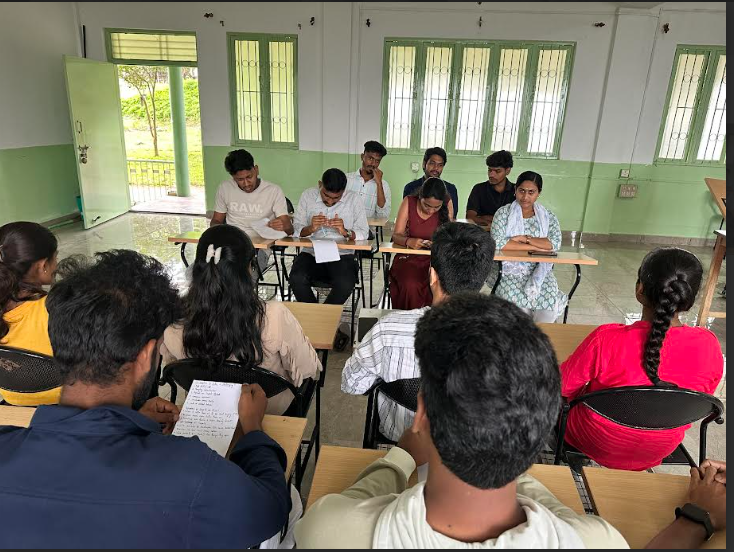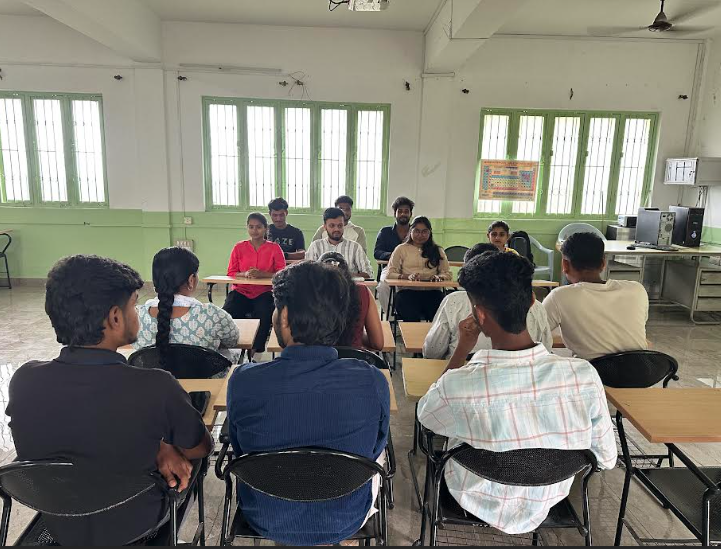
Debate Competition : “Are Electric Cars Better than Petrol Cars”
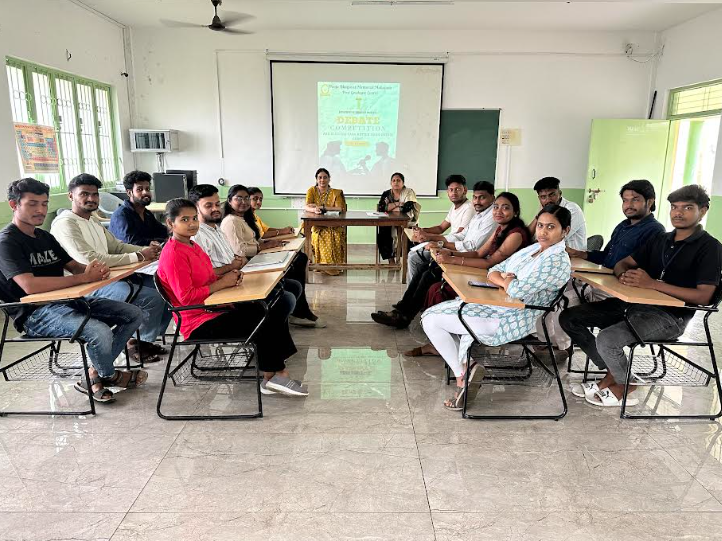
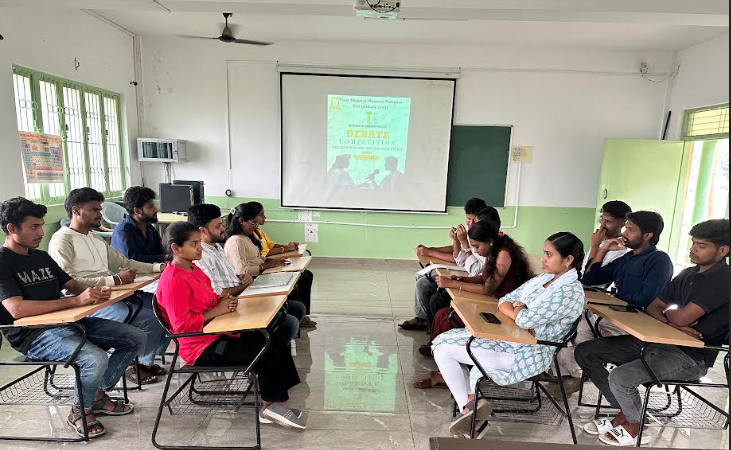
Debate Competition : “Are Electric Cars Better than Petrol Cars”
Purpose and scope of the event
- The primary purpose of a debate competition is to enhance a wide range of academic, personal, and professional skills for participants.
- The purpose of a debate competition is to develop critical thinking, communication, and research skills through the exploration of multifaceted issues in a structured, persuasive format.
- Debaters are challenged to analyze complex topics, evaluate evidence, and construct well-reasoned arguments under pressure.
- Participants learn to articulate their ideas clearly and persuasively, using vocal variety and body language to engage an audience.
- Participants must be prepared to argue both sides of an issue, which builds empathy and tolerance for opposing viewpoints.
- The scope of a debate competition is set by its format, rules, and the range of topics it covers.
- Competitions use specific structures that dictate the flow of the round, including time limits for speeches, rebuttal periods, and cross-examination.
- A one-on-one format that focuses on philosophical and ethical issues.
- A team format that uses a new current-events topic each month, designed for a general audience.
Details of Debate Competition
Debate competition on the Topic: “Are Electric Cars Better than Petrol Cars” was organised by department of chemistry on October 28, 2025 from 11 am to 1pm under the supervision of Dr. Roopa R. A., Dr. Manasa H. S and Mrs. Anitha R. at M.Sc. Chemistry Lecture Hall-2, PG Centre, Mysuru. We followed some Rules and regulations for Debate Competition.
- Time limits: Each speaker has a specific time, often 3 to 5 minutes, with a warning bell ringing before the final bell. Exceeding the limit can lead to penalties.
- Speech structure: A typical debate involves an affirmative speaker, followed by the negative speaker, and then rebuttals from both sides.
- Evidence and accuracy: All arguments, facts, and evidence must be accurate and supported by reliable sources. Speakers must be able to provide reasons for their statements.
- Topic interpretation: Teams must defend their interpretation of the topic. They can challenge the opposing team’s definition while still arguing against their points.
- Courtesy and respect: Debaters must be courteous to judges, opponents, and the audience. Insulting or making fun of opponents is not allowed.
- No interruptions: Speakers must wait their turn and should not interrupt a speaker who is currently talking.
- Disqualification: Teams that violate the rules of conduct may be disqualified.
- Final decision: The final decision on who wins is made by the judges. The judges’ decision is usually final and cannot be challenged.
- Judging criteria: Judges typically evaluate content, delivery, confidence, accuracy, and teamwork.
The event aimed to encourage students to think critically about modern technological advancements and their impact on the environment, economy, and society. The main objective of the debate was to enhance students’ communication skills and create awareness about modern-day transportation and environmental issues. The highlight of the event was that the debate teams were mixed with seniors and juniors, encouraging teamwork, learning, and equal participation. Two groups were formed: For the Motion: Electric cars are better Against the Motion: Petrol cars are better the team *supporting electric cars* highlighted the benefits of electric vehicles such as zero emissions, reduced air pollution, lower maintenance cost, and the use of renewable energy. They emphasized that electric cars are the future of sustainable transportation and play a major role in combating climate change. On the other hand, the *opposing team* argued that petrol cars have higher mileage, are easier to refuel, and have better performance for long distances. They also pointed out that the production and disposal of batteries used in electric cars can cause environmental harm, and that electricity generation in many regions still depends on fossil fuels. The debate was intense and engaging, with participants confidently expressing their opinions and answering rebuttals from the opposing side. The judges evaluated the participants based on their content, clarity, delivery, and rebuttal skills. The event concluded with a short speech by the Dr. Roopa R A, HOD of Chemistry department who encouraged all students to keep developing their critical thinking and communication skills. The debate successfully raised awareness among students about the importance of adopting eco-friendly technologies for a sustainable future.