Interactive session on at Department of Studies in Biotechnology
Interactive session on at Department of Studies in Biotechnology
Purpose and Scope of the Event:
The primary aim of the interactive sessions was to provide postgraduate students, research scholars, and faculty with exposure to advanced scientific research in the field of molecular biology, genetics, and reproductive physiology. The event was designed to foster intellectual exchange, inspire young learners, and enable participants to interact directly with internationally eminent scientists. By integrating global perspectives with local academic aspirations, the program enhanced scientific curiosity, encouraged research-oriented thinking, and opened avenues for collaborative dialogues.
Details of the Talk/Event/Activity:
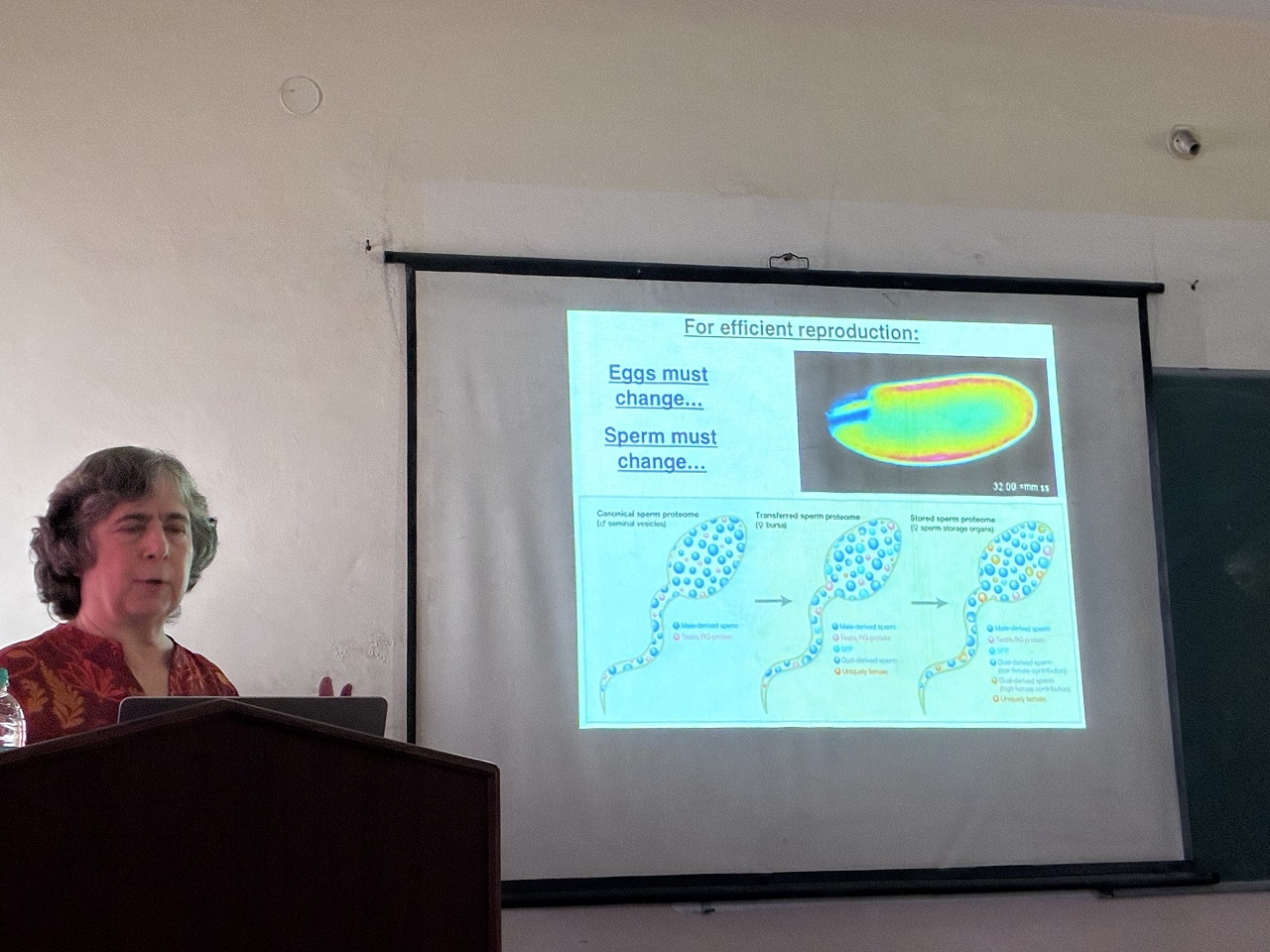
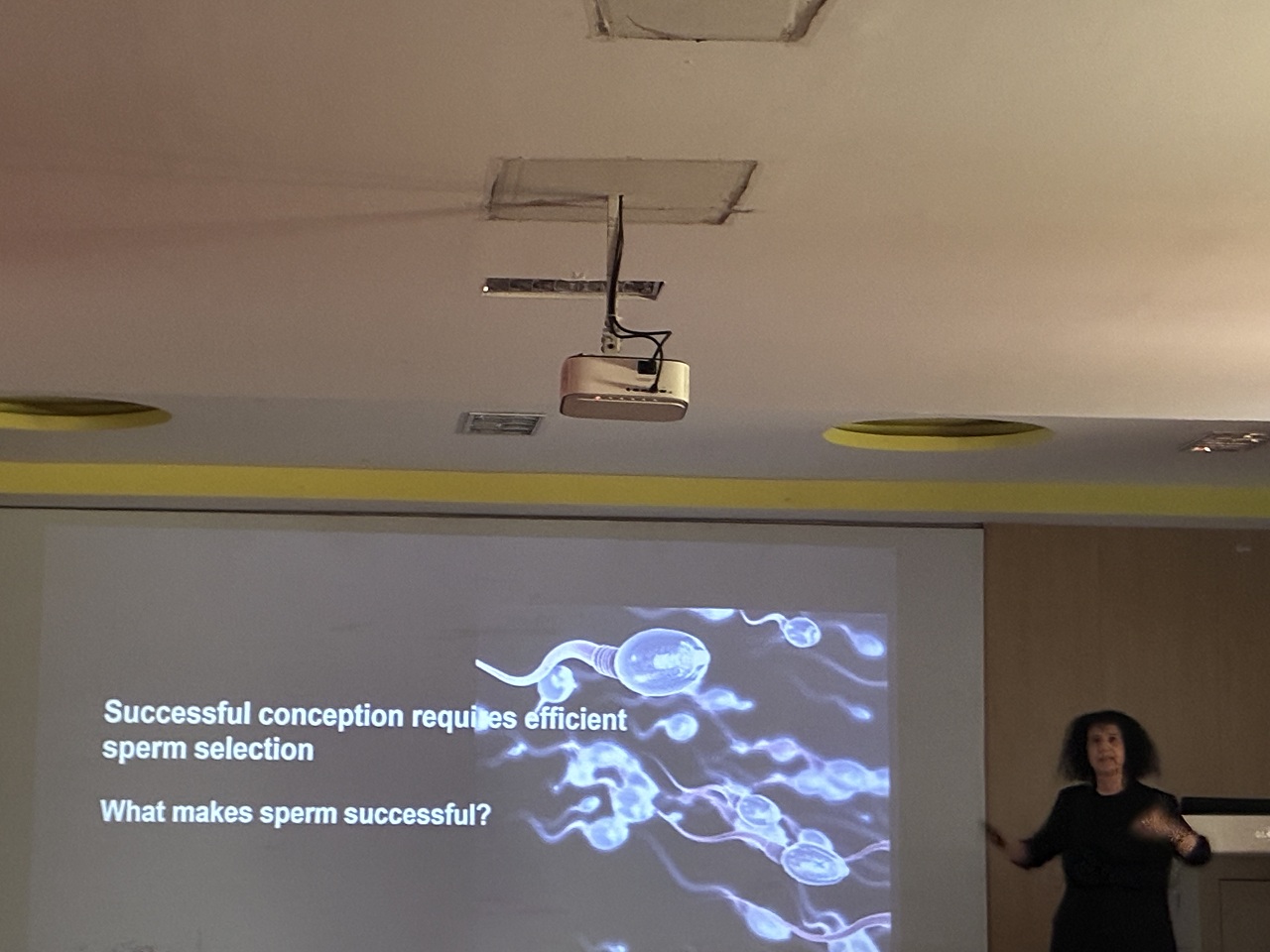
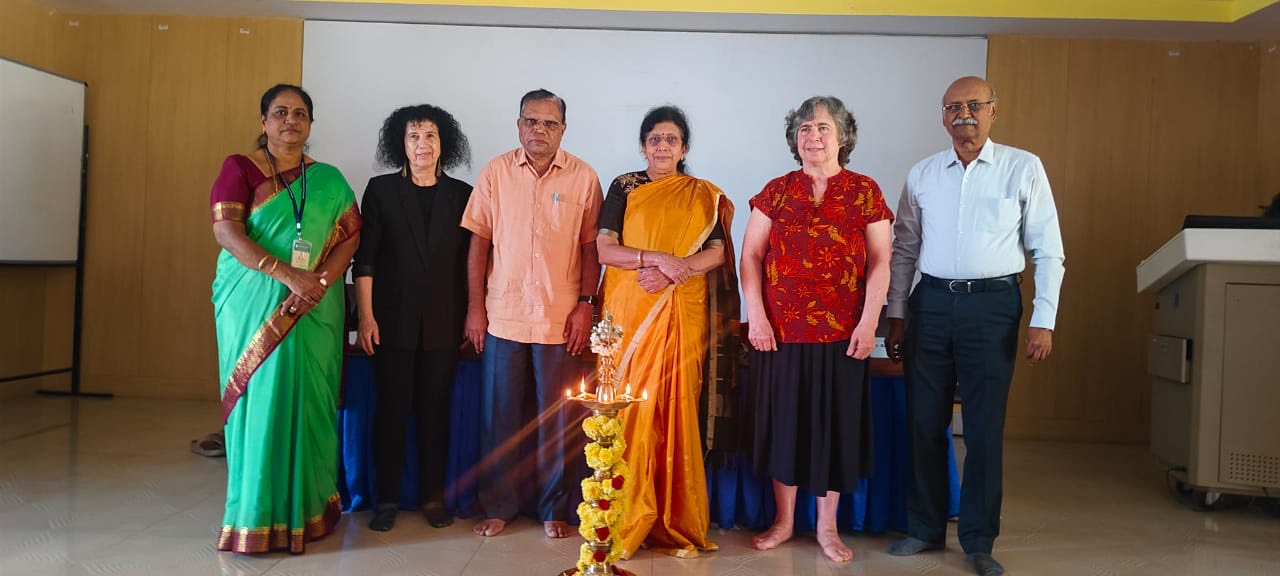
The event was organized on Tuesday, 18th November 2025, consisting of two major interactive scientific sessions, preceded by a formal inaugural ceremony. The first interactive session was on the topic “Molecular changes mediating fertility: Lessons from the Drosophila Model” by Dr. Mariana F. Wolfner, Distinguished Professor of Arts and Sciences in Molecular Biology and Genetics, Cornell University, Ithaca, USA followed by the interactive session two on the topic “Molecular Biology of male–female communication in Drosophila and its implications on human infertility issues”by Dr. Yael Heifetz, Department of Entomology, The Hebrew University of Jerusalem, Rehovot, Israel. The speakers highlighted on the key molecular changes that regulate fertility, including gamete maturation, sperm storage, and post-mating biochemical signaling in the model organism Drosophila. They also presented experimental results on how male-derived seminal proteins trigger major physiological and behavioral changes in females, influencing ovulation, immunity, and reproductive success. Female tissues respond through specialized receptors and gene networks that maintain reproductive balance. Studies on male–female communication highlight how disruptions in these molecular pathways can lead to infertility. Insights from Drosophila offer powerful parallels to human reproductive biology, thereby helping us to identify potential mechanisms underlying human infertility issues.
A Brief Profile of the Resource Persons:
1. Dr. Mariana F. Wolfner
- Fellow of American Association for the Advancement of Science
- Distinguished Professor of Molecular Biology and Genetics, Cornell University, Ithaca, USA
- Globally recognized for pioneering work on reproductive biology, gamete interactions, and post-mating molecular processes in Drosophila.
- Her research provides crucial insights into fertility mechanisms, genetic regulation, and conserved biological processes relevant across species.
2. Dr. Yael Heifetz
- Leading faculty member in the Department of Entomology, The Hebrew University of Jerusalem, Rehovot, Israel
- Specializes in reproductive physiology, sexual communication, and host–environment interactions in insects.
- Her work draws meaningful connections between insect reproductive biology and broader implications for human fertility research.
Total No. of Participants/Beneficiaries: 110(Postgraduate students, research scholars, and faculty members)