School of Life Sciences
The Departments of Studies in Biotechnology, Microbiology and Biochemistry that come under the umbrella of School of Life Sciences were established in the year 2004, 2007 and 2012 respectively. Mahajana Research Foundation which harbors a Research and Development Centre recognized by University of Mysore is involved in promoting short- term research projects and research leading to Ph.D. degree in the broad subject areas of Biotechnology, Microbiology and Biochemistry.
Salient features
- Well qualified, dynamic and vision-oriented teaching staff
- Enthusiastic involvement of faculty in both teaching and research.
- The classrooms and auditorium are provided with ICT, internet as well as E-podium facilities.
- University of Mysore recognized Research guides in Biochemistry for Ph.D. programs
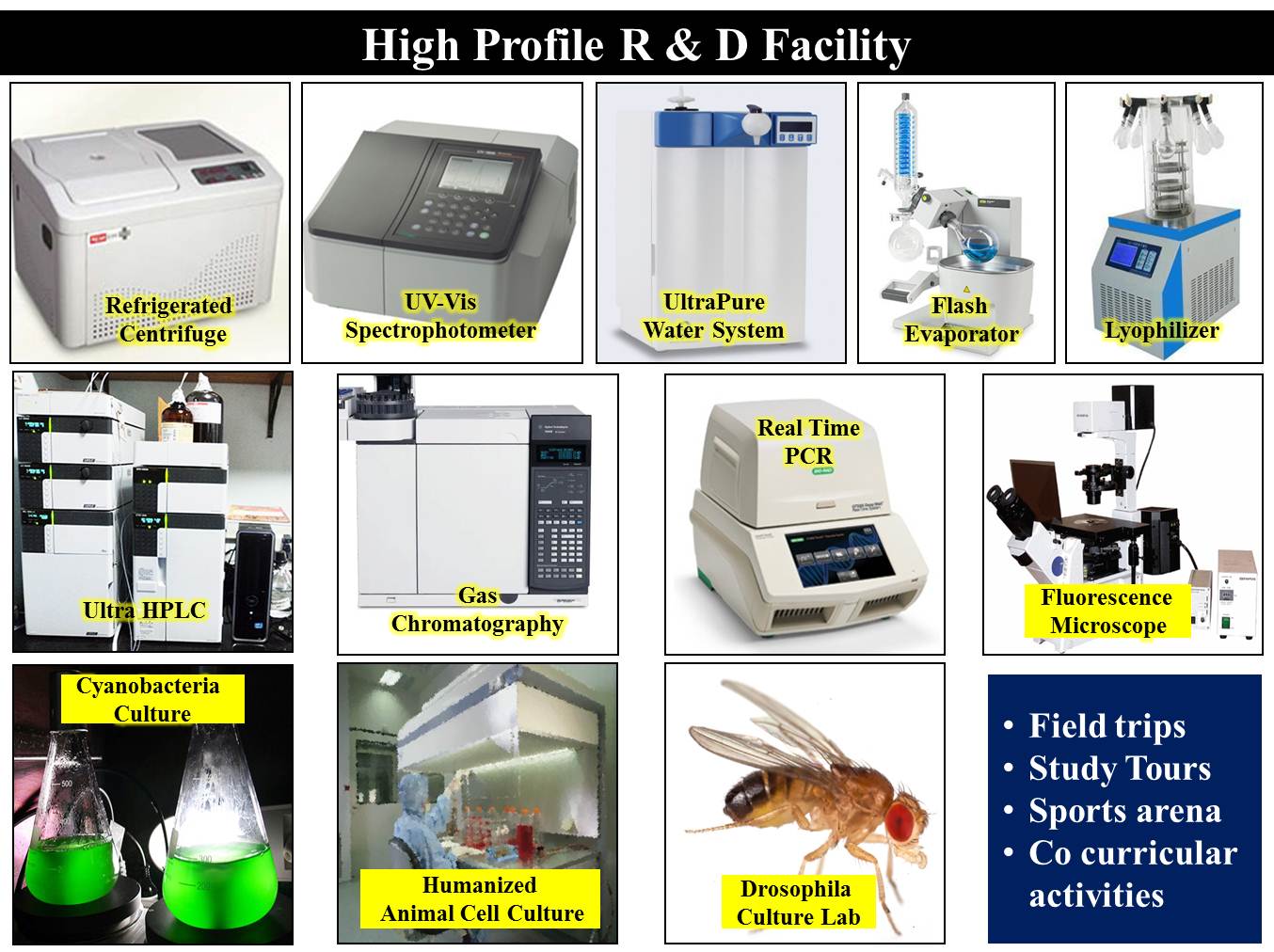
- Separate, spacious and well-equipped laboratories for Biotechnology, Microbiology and Biochemistry.
- Humanized animal cell culture laboratory.
- Drosophila neuroscience laboratory.
- Phytochemistry laboratory.
- Major instruments such as HPLC, GC, Phase Contrast Microscope, Lyophilizer, Gel Doc system, PCR, ELISA, Flash evaporator, RT-PCR, -80°C Ultralow Temperature Freezer, Milli-Q Water purification system, CO2 incubators, Sonicator etc.
- Projects funded by various Central and State funding agencies viz., DST, UGC, CSIR of Govt. of India and Dept. of Science & Technology, Govt. of Karnataka under DST-FIST, DST-SERB, VGST-FIST, VGST-CISE, & NAIN programs.
- Specialized workshops for students to enable them to handle different laboratory instruments independently in the R & D Centre.
- Interactive sessions and Webinars by eminent scientists from CFTRI, DFRL, IISc, IIT, IITR, UoM, GKVK, Biocon and overseas Scientists are arranged.
- National Seminars/ Conferences/ Workshops are regularly organized for creating awareness on recent trends in Biological Sciences.
- UGC-CSIR NET, K-SET crash courses are conducted regularly.
- Educational visits to Research Laboratories, Industries and Diagnostic Labs.
- Our students have bagged several University ranks (1st, 2nd, 5th, 6th, 7th) as well as distinctions.
- Our students have also won best presentation awards at National and International conferences.
DEPARTMENT OF STUDIES IN BIOTECHNOLOGY ,MICROBIOLOGY & BIOCHEMISTRY
| 1. | INFRASTRUCTURE |
| HOD / Conference room | 01 |
| Staff room | 01 |
| Total number of Laboratories | 07 |
| Total number of Lecture /seminar Halls | 06 |
Ongoing Research Projects:
| Serial Number | Title of the Research project | Name of the Principal Investigator /Research guide | Amount Sanctioned | Major /Minor Research project | Funding agency | Year |
| 1. | Isolation & Characterization of Anticancer compounds from A.bilimbi | Dr.Jyoti Bala Chauhan | 8,50,000.00 | Major | CSIR-SRF | 2013 - 16 |
| 2. | Investigating the significance of DNA damage response signaling pathway in B-cell malignancies. | Dr.Mahadeesh Prasad | 40,00,000.00 | Major | SERB-DST | 2016-18 |
| 3. | Isolation and characterization of value added compounds from Nostoc linckia | Dr.Jyoti Bala Chauhan | 1,10,000.00 | Minor | UGC | 2015-16 |
Completed Research Projects:
| Serial Number | Title Of The Project | Name Of The Principal Investigator | Amount Sanctioned | Major /Minor Research Project | Funding Agency | Year |
| 1. | Isolation& Characterization of Bioactive Compounds from Bilimbi & Star Fruit . | Dr. Jyoti Bala Chauhan | 11,51,350.00 | Major | UGC | 2011 -13 |
| 2. | Bioremediation of organochlorine pesticide (Endosulfans) residues in coffee plantation soil. | Dr. Harish R | 175000.00 | Minor | UGC | 2011-13 |
| 3. | K-FIST Award on - “Isolation & Characterization of Algalicidal Metabolites from Bloom Forming Cyanobacteria of local bodies” | Dr. Jyoti Bala Chauhan | 4000000.00 | Major | VISION GROUP OF SCIENCE &TECHNOLOGY, Govt of Karnataka | 2011-13 |
| 4. | CISE Award on “Isolation & Characterization of Bioremediating Microorganisms” | Dr. Harish R | 3000000.00 | Major | VISION GROUP OF SCIENCE &TECHNOLOGY, Govt of Karnataka | 2011-13 |
| 5. | Anticancereous – Isolation and Characterization of members of solanaceae | Dr.H.N.Krishna Kumar | 1,70,000.00 | Minor | UGC | 2014-15 |
| 6. | α –amylase inhibitory activities of Persea americana | Ms.Smitha Grace S.R | 1,35,000.00 | Minor | UGC | 2013-15 |
| 7. | Isolation and characterization of antidiabetic compound from medicinally important plants of Lamiaceae | Mrs.Ramya Urs | 1,10,000.00 | Minor | UGC | 2014-16 |
| 8. | BASIC SCIENTIFIC RESEARCH One time grant for strengthening of Infrastructure | 10,00,000.00 | Minor | UGC | 2010-11 | |
Rank holders 2020 -22 Batch
| Name of the Student | Rank |
| GEETHA N T | First Rank with Gold medal |
| DEEKSHITHA G | Second Rank with Gold Medal |
Rank List of M.Sc. Biochemistry
| Year | Name of the Student | Rank |
| 2021 | Ms. PRIYA DHARSHANI V. | First Rank |
| 2022 | Mr. SHRAMAN KUMAR BOHRA | First Rank |
| Mr. SUMANTH VASUDEV H S | Second Rank |
Student Achievements
|
Name of the Faculty |
Particulars |
Year |
| Ms. Kavya Sugur M.Sc. Biotechnology |
WCN-Travel Bursary Prize to present her research paper at “World Congress of Neurology, September 16-21, 2017, Kyoto, Japan |
Guided by Dr. Girish Chandran Dr. Jyoti Bala Chauhan 2017 |
| Ms. Kavya Sugur M.Sc. Biotechnology | Selected for ICMR SRF for Ph.D. program | 2019 |
| Mr. Yaipabha Metei M.Sc. Biochemistry | Secured 53rd All India Rank in the Joint CSIR-UGC JRF National Eligibility Test | 2018 |
| Mr. Pavan LN M.Sc. Biochemistry | Selected for M.S.D. program at University of Nottingham, UK | 2019 |
| Ms. Veda Hegde M.Sc. Biochemistry | Selected for M.S.D. program at University of Essex, UK | 2019 |
| Pooja Somanakoppa M.Sc. Biotechnology | Secured 5th Rank in the University M.Sc. Examination | 2018 |
| Chethana M.Sc. Biotechnology | Cleared KSET examination ` | 2019 |
Faculty Achievements
| Name of the Faculty | Particulars | Year |
| Dr. Jyoti Bala Chauhan | Awarded: “DST – FIST LEVEL 0” "Fund for Improvement of S&T Infrastructure (FIST)" Department of Science & Technology (DST) Government of India | 2018-19 |
| Startup Idea awarded with seed fund for developing the project by New Age Incubation Network (NAIN), The Karnataka Information Technology Services (KITS), Govt. of Karnataka | 2018 (three projects) | |
| Ms. Smitha Grace SR | Startup Idea awarded with seed fund for developing the project by New Age Incubation Network (NAIN), The Karnataka Information Technology Services (KITS), Govt. of Karnataka | 2018 |
| Dr. Divya KS | Startup Idea awarded with seed fund for developing the project by New Age Incubation Network (NAIN), The Karnataka Information Technology Services (KITS), Govt. of Karnataka | 2018 |
| Ecoresponsible project Selected for Global competition by Climatelaunchpad.org | 2019 | |
| Dr. Girish Chandran | Startup Idea awarded with seed fund for developing the project by New Age Incubation Network (NAIN), The Karnataka Information Technology Services (KITS), Govt. of Karnataka | 2018 |
| Co-author: Dr. Jyoti Bala Chauhan | International Travel Awards: Society for Neuroscience, Washington DC, USA | 2017 |
| European Stroke Organization Conference, Gothenburg, Sweden | 2018 | |
| International Congress of Parkinson’s Disease and Movement Disorders, Nice, France. | 2019 | |
| World Congress of Neurology, Dubai, UAE | 2019 |
| Name of the department : DOS IN BIOTECHNOLGY |
|||||
| Year of the activity (Jan 1st 24-August 25 |
Nature of the activity (Seminar/ interactive session/ symposium/conference/workshop | Title / Theme of the activity | Duration from and to in (D/M/Y) | Details of Resource person with designation and address | Highlights of the activity(50 -100 words only) No of participants |
09.01.2024 |
One day symposium |
“Two decades of department of studies in biotechnology” Organized “One day symposium on trends in lifesciences” |
09/01/2024 | Dr. SubramanyamVemulpad, Honorary Associate Professor, Macquarie University, Sydney Dr. K. Kemparaju, Professor, Dept. of Studies in Biochemistry, University of Mysore, Mysuru, Dr. Bharathi P. Salimath, Director, Sanorva Biotech Pvt., Ltd, Vishweshwaranagar, Mysuru-570008, Dr. Komal Kumar, Scientist, TUMCREATE, Singapore. |
The technical sessions of one day symposium was aimed to highlight the emerging trends in life science research that is contributing for the improvement of human health and well-being. The field of life sciences is revolutionizing human health worldwide, ushering in an era of unprecedented possibilities. The world saw the greatest pandemics of modern times and amazing breakthroughs made through technology and remarkable strides made in biological and life science research collectively reshaped the landscape of human health. Noof participants:230 |
| 22.02.2024-24.02.2024 | Workshop & Hands on Training | “Bioinformatics Approaches for Data Analysis and Research” | 22/02/2024 -24/02/2024 |
DrSushil Kumar Middha. Associate Professor Maharani Lakshmi Ammanni College for Women. Margosa Rd, Malleshwaram, Bengaluru, Karnataka 560012 |
Bioinformatics is a scientific field that uses computer science and other disciplines to analyze biological data, especially when the data is complex or large. These sessions was aimed to develop methods in bioinformatics and software tools to understand biological data and its applications in medicine, research, and biotechnology No of participants:34 |
| 16.05.2024 | “Indian Knowledge System Lecture Series - 01” | “Homeopathy: Myths and Facts ”. | 16/05/2024 | Dr.Manohara M.C Manu Homeopathy Clinic & Research Center, 18th Cross, Ramakrishnanagar, Mysuru, Karnataka 570023 |
The Bhartiya way is sustainable and strives for the welfare of all. It is important that we regain the comprehensive knowledge system of our heritage and demonstrate the ‘Indian way’ of doing things to the world. This requires training generations of scholars who will demonstrate and exemplify to the world a way of life so unique and peculiar to our great civilization.The purpose of the event was to deliberate and inspire the students about the threads of ancient wisdom and scientific pursuit No of participants:110 |
28.05.2024 |
Indian Knowledge System Lecture Series - 02” o | “Ayurveda Science and Medicine”. | 28/05/2024 | Dr. Dayananda R.D Professor Sri S.B.S Ayurvedic Medical College and Hospital, Mundargi- 582118 |
People are turning to Indian culture and attempting to integrate it into their daily lives because ancient Indian medical sciences are considered superior to modern allopathic treatments. Wearable health monitoring is the focus of numerous ongoing research projects, enabling healthcare monitoring from anywhere. Ancient India had advanced clinical information systems in place.. Ayurveda, known as the science of life, is regarded as an Upa Veda or subsidiary subject of the Atharva Veda. Through this lecture series, we wanted to provide glimpses of the medical science that prevailed in ancient India , justify the concepts of ancient Indian medical sciences. No of participants:110 |
22.06.2024 |
“Career Assistance Program” | “Career Assistance Program” | 22/06/2024 | Mrs .Pavithra Marketing Head, PAN India UNIABROAD Pvt Ltd 165/1,Opposite BrahmasthanaKalyanaMantapa, SahukarchenniahRoad,TK Layout, Saraswathipuram, Mysuru, Karnataka |
A Career Assistance Program is a structured service designed to support individuals in their pursuit of career development. These programs, which can be offered by educational institutions, government organizations, private firms, or nonprofits, focus on helping job seekers, students, and professionals acquire the skills, strategies, and tools necessary for career success. UNIABROAD is a leader in providing students unparalleled International education services. No of participants:110 |
26.06.2024 |
“Career Assistance Program” | “Careers in Biopharma& Biotechnology | 26/06/2024 | Dr. B.K.Muralidhara CTMO RVAC Medicines ,USA Ex- US Head of Technical operations at GSK |
Careers in biopharma and biotechnology are diverse and dynamic, encompassing a wide range of roles that contribute to the development of drugs, therapies, and innovative technologies. The biopharma and biotech sectors are expected to grow significantly due to advances in technology, increased focus on personalized medicine, and the ongoing need for innovative therapies. Exploring internships and networking within the industry can be beneficial for gaining experience and making connections. No of participants:110 |
26.06.2024 |
Extension activity : | Vaccine Awareness Program (for teaching, non teaching staff & students) on Changing the HPV landscape with an indigenous vaccine –CERVAVAC |
26/06/2024 | Mr. D.RAVICHANDER State Head- Karnataka Serum Institute Of India Pvt Ltd |
Extension activities refer to programs and initiatives designed to extend knowledge, skills, and resources beyond traditional educational settings. A Vaccine Awareness Program aims to empower individuals with knowledge, combat misinformation, and promote the health benefits of vaccination.These activities aim to engage the community, promote learning, and apply academic knowledge to real-world situations. To educate the community about vaccines, their importance, safety, and efficacy in preventing diseases. By implementing a Vaccine Awareness Program, we can empower our community with knowledge and contribute to better public health outcomes. No of participants:110 |
| 24/10/2024 | Orientation day & Interactive session |
DNA based methods for rapid detection of microorganisms” | 24/10/2024 | Dr. M.Y Sreenivasa Professor and Chairman Dept. of Studies in Microbiology University of Mysore Mysore - 570006, Karnataka, INDIA |
The interactive session on DNA-based methods for rapid detection of microorganisms highlighted advanced molecular techniques such as PCR, qPCR, and sequencing for accurate and timely microbial identification. Participants actively engaged in discussions on their applications in clinical diagnostics, food safety, and environmental monitoring. No of participants:120 |
| 06/11/2024 | One day symposium | “ Frontiers in food & human health” | 06/11/2024 | Dr.Y.P. Venkatesh, Retd Scientist, CFTRI Dr. Sreedhar R.V, Senior Scientist, PCBT, CFTRI, |
The one-day symposium on “Frontiers in Food & Human Health” provided insights into emerging research linking nutrition, functional foods, and human well-being. Experts and participants exchanged ideas on innovative strategies for promoting health through diet, bioactive compounds, and sustainable food systems. No of participants:120 |
| 03/02/2025 & 04/02/2025 |
On- campus recruitment drive | Clini Launch Research Institute ,Bengaluru | 03/02/2025 & 04/02/2025 |
Clini Launch Research Institute ,Bengaluru | The on-campus recruitment drive for Life Sciences created a platform for students to connect with leading biotech and pharmaceutical companies. It offered aspiring graduates an opportunity to showcase their skills and secure promising career placements in the life science sector. No of participants:110 |
| 02/05/2025 | International immunology day celebration and one day symposium & poster presentation competition for UG & PG | “Brain and immunity: immunological insights into neurological disorders” | 02/05/2025 | Dr. Suhas Murali Consultant Neurologist & Stroke Specialist, NEURO CARE, Mysore 570004. Dr. Ramesh S.R., Fellow ,Karnataka Science and technology academy ,CEO & Academic Advisor and Chief Scientist, School of Life Sciences |
The one-day symposium on “Brain and Immunity: Immunological Insights into Neurological Disorders”, held in celebration of World Immunology Day, featured expert talks exploring the intricate links between the immune system and neurological health. A poster presentation competition provided a platform for young researchers to showcase their innovative findings and engage in scientific discussions. No of participants:180 |
| 13/05/2025 | Interactive session | "A Road Map to Precision Medicine for Breast Cancer Treatment" | 13/05/2025 | Dr. Vasudeva Bhat Postdoctoral associate, University of Western Ontario, Ontario, Canada |
The interactive session on “A Road Map to Precision Medicine for Breast Cancer Treatment” focused on personalized therapeutic strategies based on genetic, molecular, and clinical profiling. Participants engaged in discussions on emerging diagnostic tools and targeted therapies that enhance treatment outcomes for breast cancer patients. No of participants:120 |
| Name of the department : Department of Studies in Microbiology | |||||
| Year of the activity (Jan 1st 24-Dec 31st 2024) |
Nature of the activity (Seminar/ interactive session/ symposium/conference/workshop | Title / Theme of the activity | Duration from and to in (D/M/Y) | Details of Resource person with designation and address | Highlights of the activity(50 -100 words only) No of participants |
| 27th May 2022 | One day Symposium | One day Symposium on Gut Microbiota and Human Health | 27-5-2022 | Dr. T.N.Bhavani Shankar Director Of Schevaran Innovation Centre Mysuru & Dr. PrakashHalami Principal Scientist & Professor-Central Food Technological Research Institute, Mysuru |
The human host's digestive tract has a symbiotic relationship with the gut microbiota, which influences the immune system's defenses against pathogens/infectious illnesses. This gives people the knowledge which is essential to lead healthy lives and appreciate the necessity of having beneficial organisms in the body to increase metabolism. No of Participants:120 |
| 4th January 2023 | One day Career Guidance Programme | One day Career Guidance Programme | 4-1-2023 | Dr. Prasad M.P Chief proprietor of Sangene Biotech Research laboratory, Bangalore |
Dr. Prasad displayed the facilities and infrastructure of Sangene Biotech research laboratory which offers various services related to Microbiology, Molecular cell biology, Protein chemistry, Enzymology, Genetic engineering and Biotechnology. To make the students comfortable and bring forth their inherent capabilities, He suggested several internships and training certification provided by their company to build up the handling skills in the respective specialization. No. of Participants/beneficiaries: 42 |
| 4th May 2023 | One Day Technical Seminar | One Day Technical Seminar on “Food gut Microbiome interaction and personalized nutrition | 4-5-2023 | Dr. Mahejbin Khan Principal Scientist, MFT Department CSIR, CFTRI, Mysuru. |
Dr. Mahejbin Khan emphasized on the significance of human gut microbiota by mentioning the beneficial organisms such as Bacillus brevis, Enterococcussp, Brevibacteriumsp, Lactobacillus acidophillus, Cornyebacteriumsp, Helicobacter pyroli and E.coli. As these organisms imparts in specific host nutrient metabolism. She highlighted about neuroactive metabolites such as neurotransmitters and harmones released by gut microbiome which play an essential role in neurodegenerative diseases such as alzheimer's disease, parkinson's disease etc. No. of Participants/beneficiaries: 60 |
| 4th December 2023 | One Day Invited Lecture | One Day Invited Lecture on Mushrooms in human nutrition and health | 4-12-2023 | Dr. K. R Sridhar Adjunct Professor in the Department ofBiosciences at Mangalore University |
Dr. K. R Sridhar highlighted on the diversity studies of various wild and edible mushrooms. He explained in detail about the climatic conditions, physical growth parameters and nutritional profile of mushrooms. Dr. K. R Sridhar had displayed wide variety of mushrooms grown in and around the campus of university of Mangalore, Konaje. Among the numerous species, they identified the new mushroom species and named it as Amanita konajensis. No. of Participants/beneficiaries: 60 |
| 6th February 2024 | One Day Invited Lecture | One Day Invited Lecture on Exploring emerging trends in Life Sciences Industry & Intellectual property rights | 6-2-2024 | Dr. Dharma Prasad- CEO and chief scientist ,ProsettaBioconformaticspvt ltd, Mysuru & Dr. ArunchandRayaroth Head, Quality and Research , Zeus Biotech pvt ltd, Mysuru |
|
| 13th December2024 | One day Interactive session | Interactive session on Yeast as Probiotic- Mechanism of action | 13-12-2024 | Dr. AnuAppiaha Former SR.Principal Scientist, CSIR-CFTRI, Mysuru. |
Dr. Appiaha began by explaining the concept of probiotics as "live microorganisms that, when administered in adequate amounts, confer a health benefit on the host." While probiotics are often associated with bacterial strains such as Lactobacillus and Bifidobacterium, yeast is emerging as an important probiotic candidate. The session focused on Saccharomyces cervisiae, a non-pathogenic yeast strain commonly used as a probiotic. Dr. Appiaha highlighted the following characteristics that make yeast a promising probiotic. No. of Participants/beneficiaries: 200 |
| 16th April 2025 | Book Releasing Program | Book Releasing Program of Text Book of Industrial Microbiology Authored By Dr. RenuAgrawal | 16-4-2025 | Author: Dr. RenuAgrawal Former Scientist CSIR-CFTRI Mysuru and Rural Program Coordinator Chief Guest: Dr. Prakash M. Halami Chief Scientist and Head of the Department of Microbiology & Fermentation Technology at CSIR-CFTRI, Mysuru, and as aProfessor at AcSIR |
On Book Releasing event Dr. RenuAgrawal provided a detailed insight into the contents of the book. She elaborated on the structure of the textbook, the rationale behind its organization, and the depth of topics covered — including fermentation technology, microbial enzyme production, industrial bio-products, waste utilization, bioreactor design, and modern biotechnological interventions. She shared her personal journey of writing the book, acknowledging the support of her peers, colleagues, and students, and expressed her hope that the book would serve as a valuable reference for years to come. No. of Participants/beneficiaries: 100 |
|
Name of the department : DOS IN BIOTECHNOLGY |
|||||
|
Year of the activity
(Jan 1st 24-Dec 31st 2024) |
Nature of the activity (Seminar/ interactive session/ symposium/conference/workshop |
Title / Theme of the activity |
Duration from and to in (D/M/Y) |
Details of Resource person with designation and address |
Highlights of the activity (50 -100 words only)
No of participants |
| 09.01.2024 | One day Symposium | “Two decades of department of studies in biotechnology” Organized “One day symposium on trends in lifesciences” |
09/01/2024 | Dr. SubramanyamVemulpad, Honorary Associate Professor, Macquarie University, Sydney Dr. K. Kemparaju, Professor, Dept. of Studies in Biochemistry, University of Mysore, Mysuru, Dr. Bharathi P. Salimath, Director, Sanorva Biotech Pvt., Ltd, Vishweshwaranagar, Mysuru-570008, Dr. Komal Kumar, Scientist, TUMCREATE, Singapore. | The technical sessions of one day symposium was aimed to highlight the emerging trends in life science research that is contributing for the improvement of human health and well-being. The field of life sciences is revolutionizing human health worldwide, ushering in an era of unprecedented possibilities. The world saw the greatest pandemics of modern times and amazing breakthroughs made through technology and remarkable strides made in biological and life science research collectively reshaped the landscape of human health. No of participants:230 |
| 22.02.2024-24.02.2024 | Workshop & Hands on Training | “Bioinformatics Approaches for Data Analysis and Research” | 22/02/2024 -24/02/2024 | Dr Sushil Kumar Middha. Associate Professor Maharani Lakshmi Ammanni College for Women. Margosa Rd, Malleshwaram, Bengaluru, Karnataka 560012 | Bioinformatics is a scientific field that uses computer science and other disciplines to analyze biological data, especially when the data is complex or large. These sessions was aimed to develop methods in bioinformatics and software tools to understand biological data and its applications in medicine, research, and biotechnology No of participants:34 |
| 16.05.2024 | “Indian Knowledge System Lecture Series - 01” | “Homeopathy: Myths and Facts ”. | 16/05/2024 | Dr.Manohara M.C Manu Homeopathy Clinic & Research Center, 18th Cross, Ramakrishnanagar, Mysuru, Karnataka 570023 | The Bhartiya way is sustainable and strives for the welfare of all. It is important that we regain the comprehensive knowledge system of our heritage and demonstrate the ‘Indian way’ of doing things to the world. This requires training generations of scholars who will demonstrate and exemplify to the world a way of life so unique and peculiar to our great civilization.The purpose of the event was to deliberate and inspire the students about the threads of ancient wisdom and scientific pursuit No of participants:110 |
| 28.05.2024 | Indian Knowledge System Lecture Series - 02” o | “Ayurveda Science and Medicine”. | 28/05/2024 | Dr. Dayananda R.D Professor Sri S.B.S Ayurvedic Medical College and Hospital, Mundargi- 582118 | People are turning to Indian culture and attempting to integrate it into their daily lives because ancient Indian medical sciences are considered superior to modern allopathic treatments. Wearable health monitoring is the focus of numerous ongoing research projects, enabling healthcare monitoring from anywhere. Ancient India had advanced clinical information systems in place.. Ayurveda, known as the science of life, is regarded as an Upa Veda or subsidiary subject of the Atharva Veda. Through this lecture series, we wanted to provide glimpses of the medical science that prevailed in ancient India , justify the concepts of ancient Indian medical sciences. No of participants:110 |
| 22.06.2024 | “Career Assistance Program” | “Career Assistance Program” | 22/06/2024 | Mrs .Pavithra Marketing Head, PAN India UNIABROAD Pvt Ltd 165/1,Opposite BrahmasthanaKalyanaMantapa, SahukarchenniahRoad,TK Layout, Saraswathipuram, Mysuru, Karnataka | A Career Assistance Program is a structured service designed to support individuals in their pursuit of career development. These programs, which can be offered by educational institutions, government organizations, private firms, or nonprofits, focus on helping job seekers, students, and professionals acquire the skills, strategies, and tools necessary for career success. UNIABROAD is a leader in providing students unparalleled International education services. No of participants:110 |
| 26.06.2024 | “Career Assistance Program” | “Careers in Biopharma & Biotechnology | 26/06/2024 | Dr. B.K.Muralidhara CTMO RVAC Medicines ,USA Ex- US Head of Technical operations at GSK | Careers in biopharma and biotechnology are diverse and dynamic, encompassing a wide range of roles that contribute to the development of drugs, therapies, and innovative technologies. The biopharma and biotech sectors are expected to grow significantly due to advances in technology, increased focus on personalized medicine, and the ongoing need for innovative therapies. Exploring internships and networking within the industry can be beneficial for gaining experience and making connections. No of participants:110 |
| 26.06.2024 | Extension activity : | Vaccine Awareness Program (for teaching, non teaching staff & students) on Changing the HPV landscape with an indigenous vaccine –CERVAVAC | 26/06/2024 | Mr. D.RAVICHANDER STATE HEAD- KARNATAKA SERUM INSTITUTE OF INDIA PVT LTD | Extension activities refer to programs and initiatives designed to extend knowledge, skills, and resources beyond traditional educational settings. A Vaccine Awareness Program aims to empower individuals with knowledge, combat misinformation, and promote the health benefits of vaccination.These activities aim to engage the community, promote learning, and apply academic knowledge to real-world situations. To educate the community about vaccines, their importance, safety, and efficacy in preventing diseases. By implementing a Vaccine Awareness Program, we can empower our community with knowledge and contribute to better public health outcomes. No of participants:110 |
|
Name of the department : Department of Studies in Microbiology |
|||||
|
Year of the activity
(Jan 1st 24-Dec 31st 2024) |
Nature of the activity (Seminar/ interactive session/ symposium/conference/workshop |
Title / Theme of the activity |
Duration from and to in (D/M/Y) |
Details of Resource person with designation and address |
Highlights of the activity (50 -100 words only)
No of participants |
| 27th May 2022 | One day Symposium | One day Symposium on Gut Microbiota and Human Health | 27-5-2022 | Dr. T.N.Bhavani Shankar Director Of Schevaran Innovation Centre Mysuru & Dr. Prakash Halami Principal Scientist & Professor-Central Food Technological Research Institute, Mysuru | The human host's digestive tract has a symbiotic relationship with the gut microbiota, which influences the immune system's defenses against pathogens/infectious illnesses. This gives people the knowledge which is essential to lead healthy lives and appreciate the necessity of having beneficial organisms in the body to increase metabolism. No of Participants: 120 |
| 4th January 2023 | One day Career Guidance Programme | One day Career Guidance Programme | 4-1-2023 | Dr. Prasad M.P Chief proprietor of Sangene Biotech Research laboratory, Bangalore | Dr. Prasad displayed the facilities and infrastructure of Sangene Biotech research laboratory which offers various services related to Microbiology, Molecular cell biology, Protein chemistry, Enzymology, Genetic engineering and Biotechnology. To make the students comfortable and bring forth their inherent capabilities, He suggested several internships and training certification provided by their company to build up the handling skills in the respective specialization. No. of Participants/beneficiaries: 42 |
| 4th May 2023 | One Day Technical Seminar | One Day Technical Seminar on “Food gut Microbiome interaction and personalized nutrition | 4-5-2023 | Dr. Mahejbin Khan Principal Scientist, MFT Department CSIR, CFTRI, Mysuru. | Dr. Mahejbin Khan emphasized on the significance of human gut microbiota by mentioning the beneficial organisms such as Bacillus brevis, Enterococcussp, Brevibacteriumsp, Lactobacillus acidophillus, Cornyebacteriumsp, Helicobacter pyroli and E.coli. As these organisms imparts in specific host nutrient metabolism. She highlighted about neuroactive metabolites such as neurotransmitters and harmones released by gut microbiome which play an essential role in neurodegenerative diseases such as alzheimer's disease, parkinson's disease etc. No. of Participants/beneficiaries: 60 |
| 4th December 2023 | One Day Invited Lecture | One Day Invited Lecture on Mushrooms in human nutrition and health | 4-12-2023 | Dr. K. R Sridhar Adjunct Professor in the Department of Biosciences at Mangalore University | Dr. K. R Sridhar highlighted on the diversity studies of various wild and edible mushrooms. He explained in detail about the climatic conditions, physical growth parameters and nutritional profile of mushrooms. Dr. K. R Sridhar had displayed wide variety of mushrooms grown in and around the campus of university of Mangalore, Konaje. Among the numerous species, they identified the new mushroom species and named it as Amanita konajensis. No. of Participants/beneficiaries: 60 |
| 6th February 2024 | One Day Invited Lecture | One Day Invited Lecture on Exploring emerging trends in Life Sciences Industry & Intellectual property rights | 6-2-2024 | Dr. Dharma Prasad- CEO and chief scientist ,Prosetta Bioconformatics pvt ltd, Mysuru & Dr. Arunchand Rayaroth Head, Quality and Research , Zeus Biotech pvt ltd, Mysuru |
|
| 13th December2024 | One day Interactive session | Interactive session on Yeast as Probiotic- Mechanism of action | 13-12-2024 | Dr. Anu Appiaha Former SR.Principal Scientist, CSIR-CFTRI, Mysuru. | Dr. Appiaha began by explaining the concept of probiotics as "live microorganisms that, when administered in adequate amounts, confer a health benefit on the host." While probiotics are often associated with bacterial strains such as Lactobacillus and Bifidobacterium, yeast is emerging as an important probiotic candidate. The session focused on Saccharomyces cervisiae, a non-pathogenic yeast strain commonly used as a probiotic. Dr. Appiaha highlighted the following characteristics that make yeast a promising probiotic. No. of Participants/beneficiaries: 200 |
- 16/11/2024 - Signing and Exchange of MoU with Mush and Co, South Korea
- 08/11/2024 - National Pharmacy Week Celebrations – 2024 and Essay Competitions
Click here to view - ACTIVITIES CONDUCTED BY DOS IN BIOTECHNOLOGY NOV 23 - JULY 2024
ONE DAY SPECIAL LECTURE SERIES Held on 25th March 2019
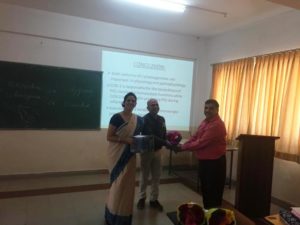
Pic No.1 Dr. GopalMarathe K, Professor, DOS in Biochemistry, University of Mysore, Mysore delivered lecture on “Cyclooxegenases”
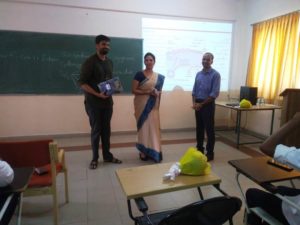
Pic No.2 Dr. Ravindra PV, Ramalingaswamy Fellow/Scientist, Department of Biochemistry, CSIR-CFTRI, Mysore delivered lecture on “Understanding the interaction of diet and the genome: impact on health and disease".
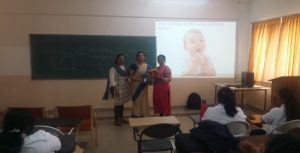
Pic No.3 Dr. Asha Srinivasan, Assistant Professor ,Department of NanoScience and Technology Faculty of Life sciences, JSS Academy of Higher Education and Research, Mysore delivered lecture on “Nanotechnology- The Future work force”.
ONE DAY SPECIAL LECTURE SERIES Held on 27/03/2019
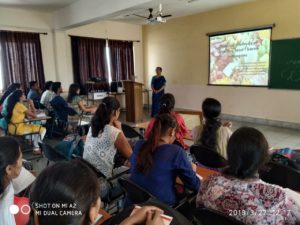
Pic No.4 Dr. Syeda Kousar Fathima, Associate Professor and Head, Department of Microbiology Maharani’s Science College for Women’s PG Centre, Mysuru delivered lecture on “Chemical detection of food-borne pathogens”
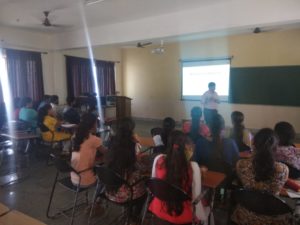
Pic No.5: Dr. Srinivasa M.Y., Assistant Professor, Department of Studies in Microbiology, Manasagangotri delivered lecture on “Stress response in microorganisms
Pic No.6: Dr. Girish K., Assistant Professor, Department of Microbiology, Maharani’s Science College for Women’s PG Centre, Mysuru delivered lecture on “Tumor Immunology”
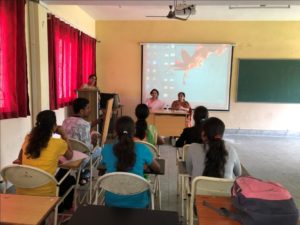
Pic No.7: Special talk on “An overview of Plant Morphogenesis” was delivered by Dr. M S Nalini ,Assistant professor ,DOS in Botany , Manasagangotri, University of Mysore, Mysore on 2nd May 2019
One day Visit to Anthropological survey of India
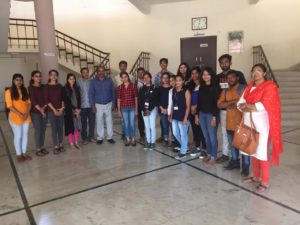
Pic No.8: Students of M.Sc. Biotechnology visited the Anthropological survey of India, Bogadi, Mysore on 15th March, 2019 as a part of their institutional visit. Dr. C. R. Sathyanarayanan, Deputy Director, Anthropological Survey of India, Southern regional center, briefed about the center activities to the students following which a brief documentary made by the center on THODA community was shown.
One day Visit to MYMUL, Mysore26th March 2019
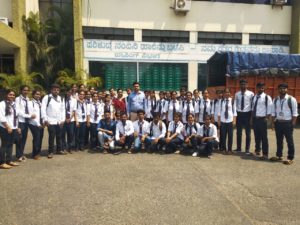
Pic No.9: Students of M.Sc. Biochemistry and Microbiology visited MYMUL- Mysore Milk Union Ltd. Mysore on 22nd March, 2019 as a part of their industrial visit




| Sl. No. |
Year | Title | National / International | Publication Date /No |
| Dr. B. KIRAN | ||||
| 1 | 2024 | Device For Detection of Neurological Disorders | National | 17/05/2024 412477-001 |
| 2 | 2025 | Rogue Cell Removal Antimicrobial Bandage | National | 09/06/2025 439373-001 |
| Dr. A. J. Mahadesh Prasad | ||||
| 3 | 2025 | Paclitaxel Cyclodextrin Formulation and Method of Preparation Thereof | National | 17/09/2024 550391 |
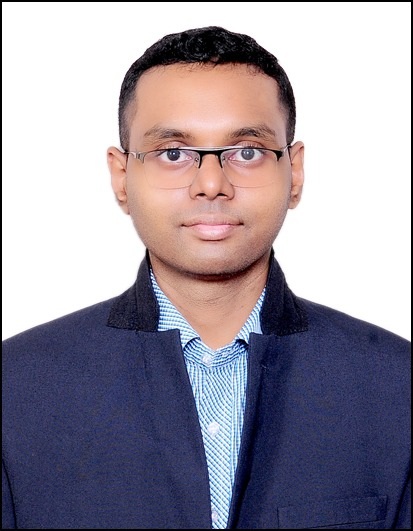 Mr. Sautan Show was awarded Ph. D. degree in Biochemistry on 29.04.2025 by University of Mysore for his thesis on "Dissecting Molecular Basis of Cancer Metastasis Using Zebrafish Model" under the guidance of Dr. Mahadesh Prasad, Professor of Biochemistry.
This research was carried out in collaboration with Dr. Upendra Nongthomba, Chairman, Department of Developmental Biology and Genetics, Indian Institute of Science, Bangalore. His research led to the award of an Indian patent, which is shared by Dr. Mahadesh Prasad, Dr. Upendra Nongthomba and the Mahajana Education Society.
Dr. Sautan Show has been awarded a Post-Doctoral position in National Institute of Health, Bethesda, USA which is a part of the U.S. Department of Health and Human Services and is one of the world's foremost medical research centres in the world doing pioneering research.
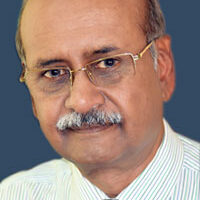
Dr. S. R. Ramesh
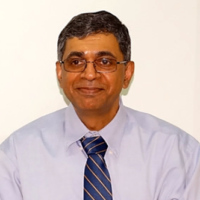
Dr. Srinivas Kumar
Visiting Scientist
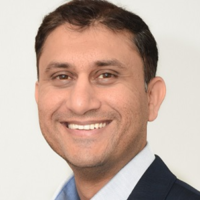
Dr. Vivek Gupta
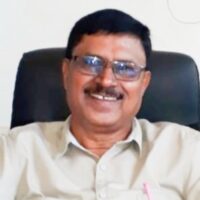
Dr. T Shivanandappa
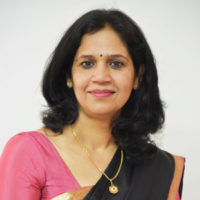
Dr. Jyoti Bala Chauhan

Dr. Mahadesh Prasad AJ
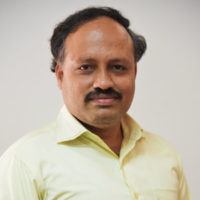
Dr. Krishna Kumar H N
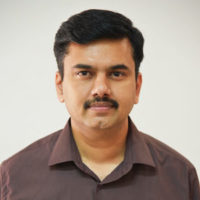
Dr. R. Harish
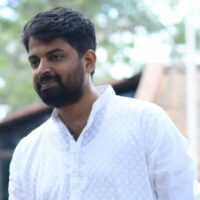
Dr. Girish Chandran
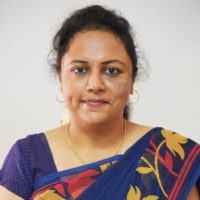
Mrs. Smitha Grace
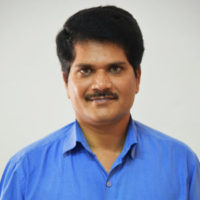
Dr. Kiran B
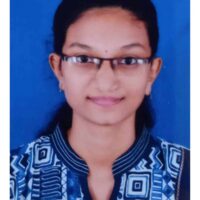
Ms. RAYANA LAVITHA D SILVA